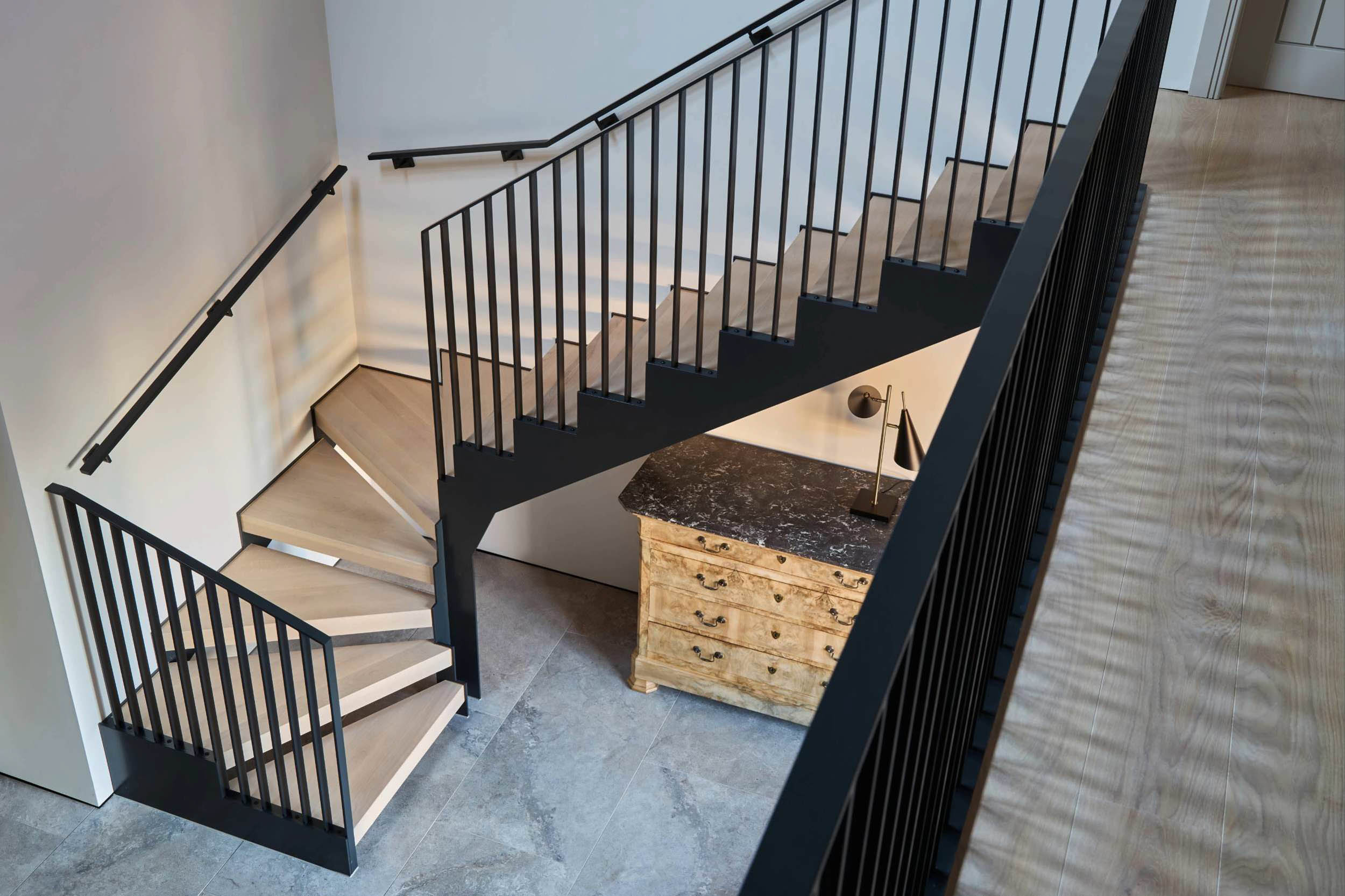
■ Style details

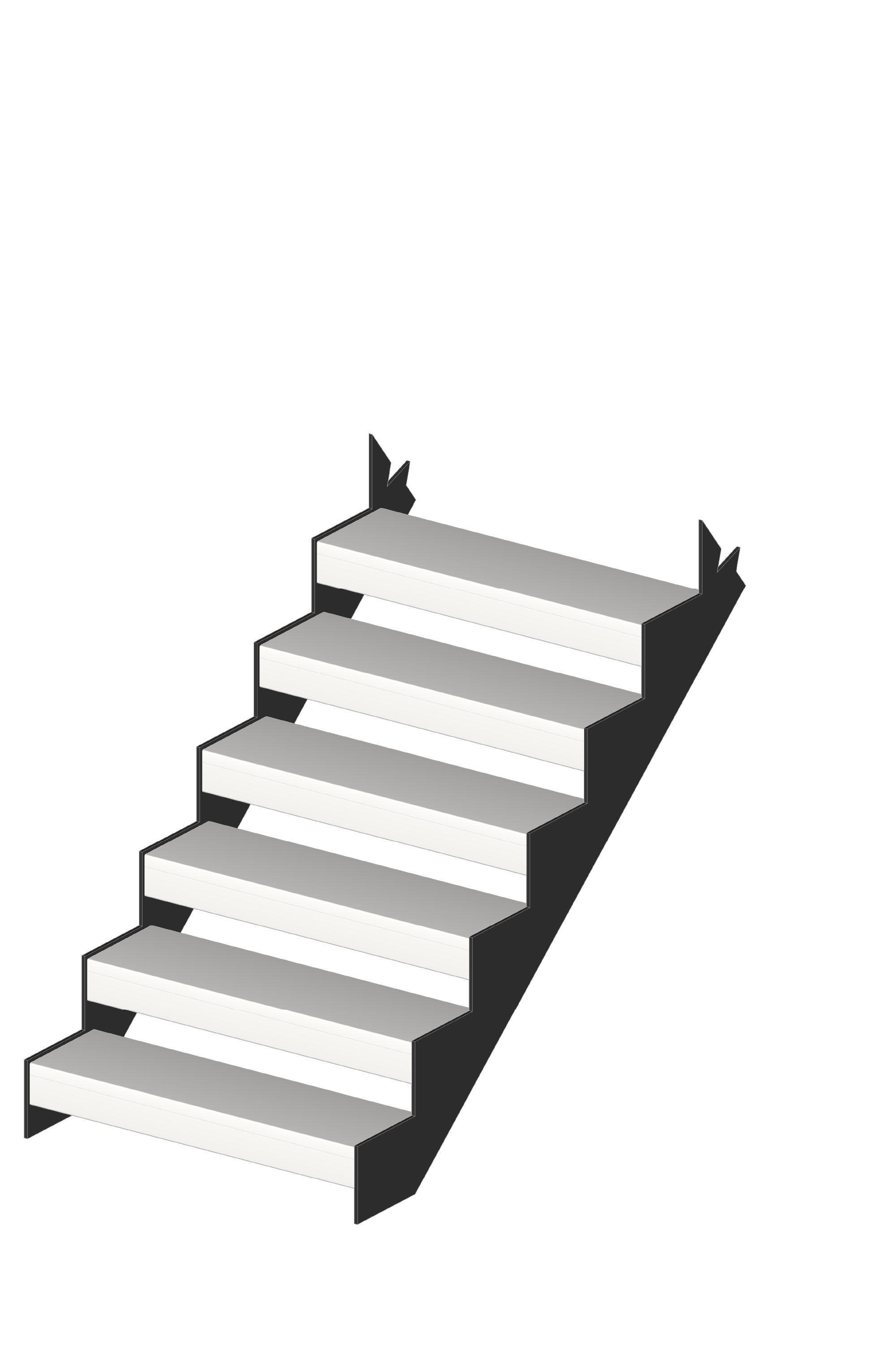
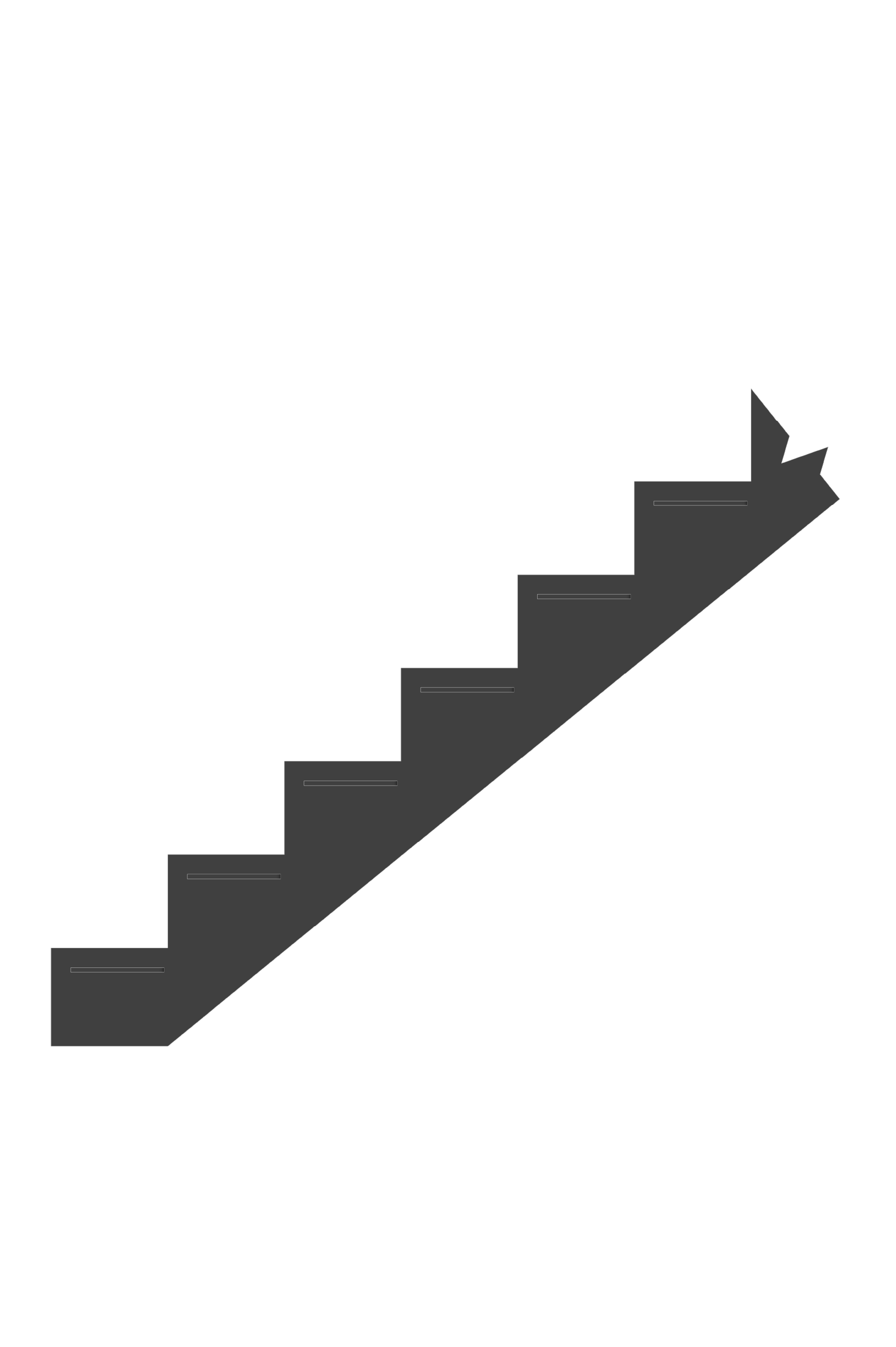
With concealed fixings and no visible welds, this staircase delivers a clean, seamless look that highlights its minimalist design. The absence of newel posts reduces visual bulk, creating an open and airy feel. This design is especially ideal for layouts incorporating winders, ensuring both style and functionality.
.jpg)
Featuring 10mm steel stringers, the Seam staircase offers a minimalist aesthetic with clean, precise lines. It is best paired with 32mm thick hardwood treads, combining sleek steelwork with the warmth and durability of solid timber for a balanced, contemporary design.
.jpg)
■ Technical details
Balustrade Options
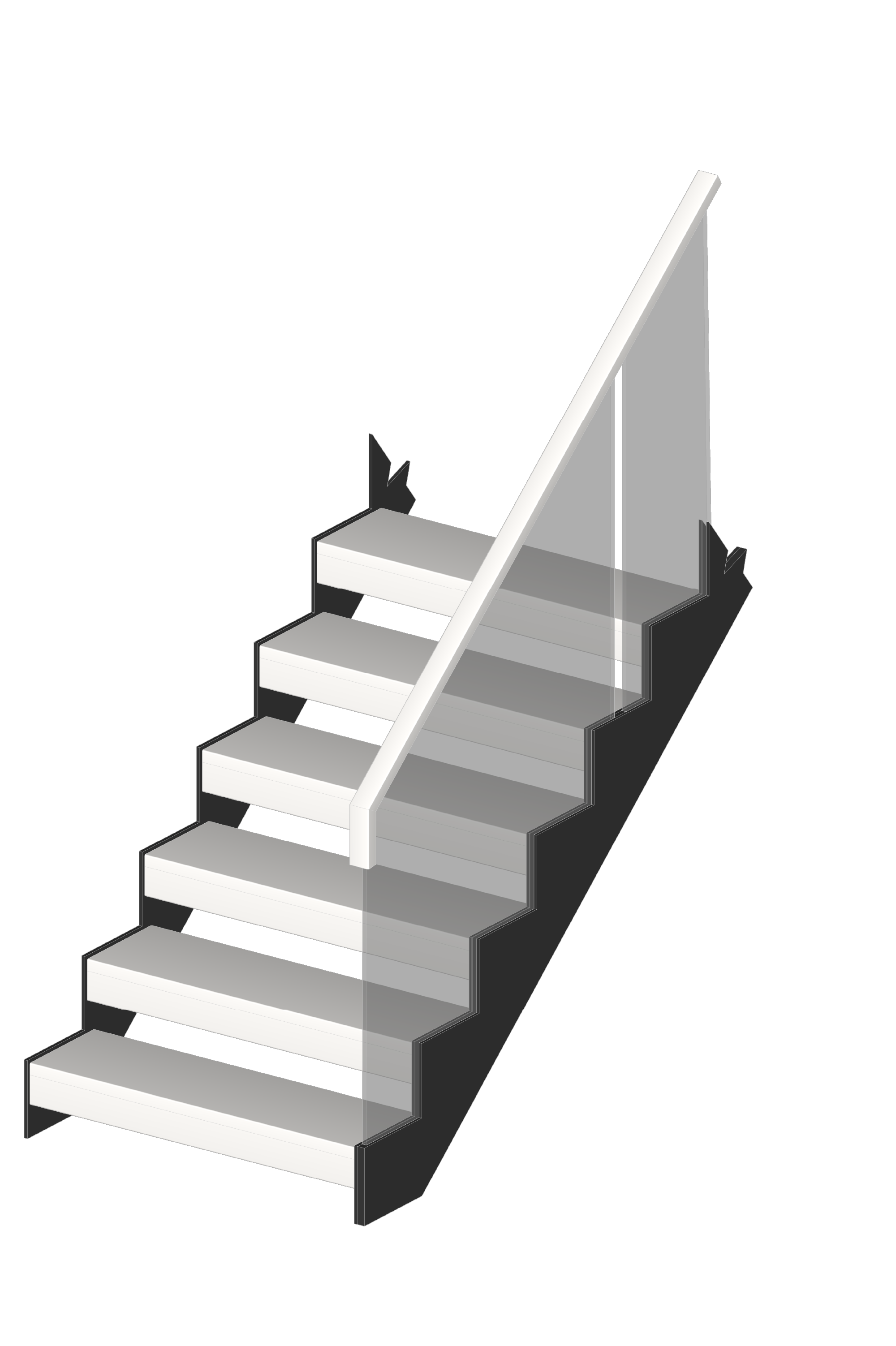
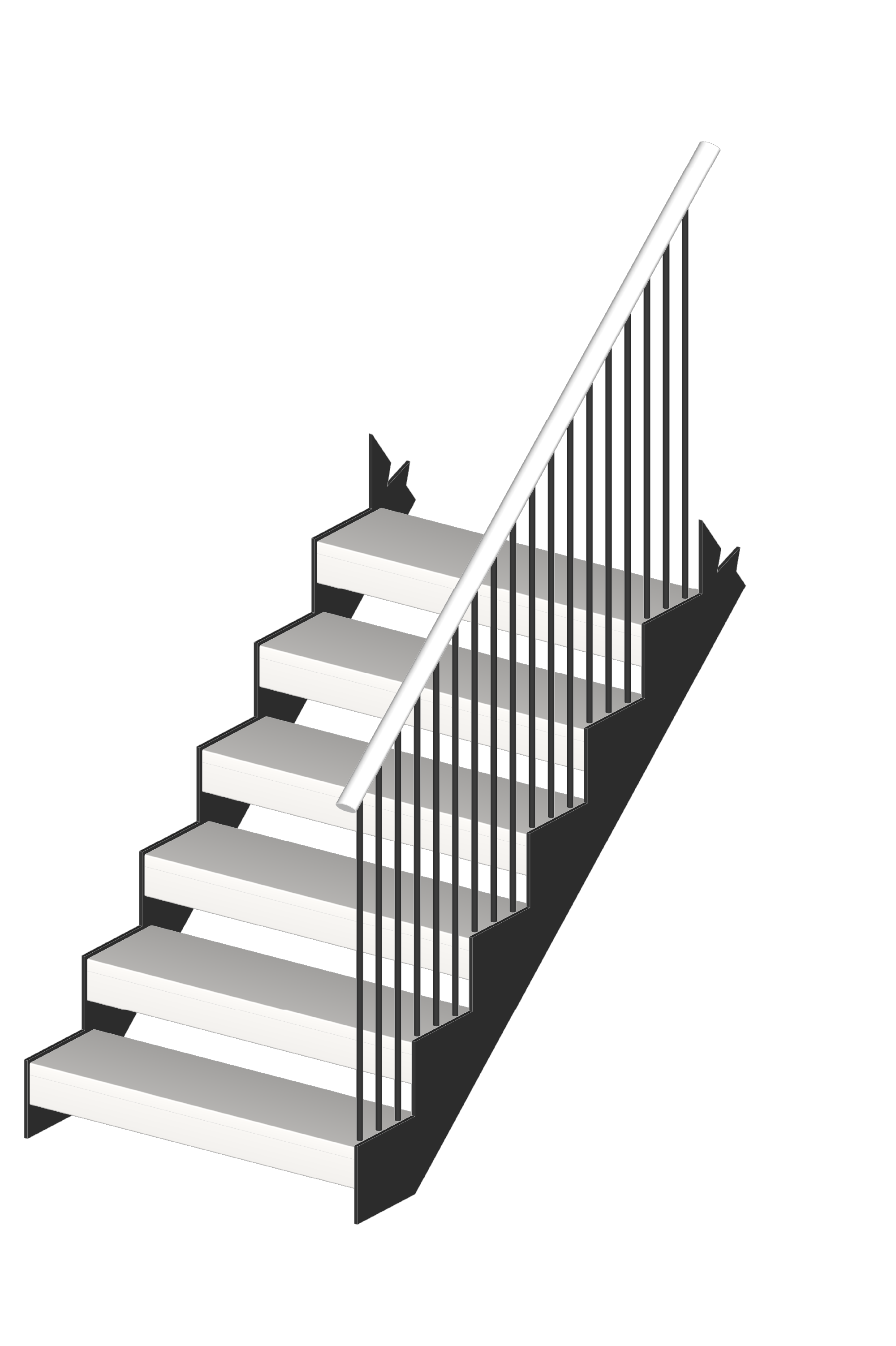
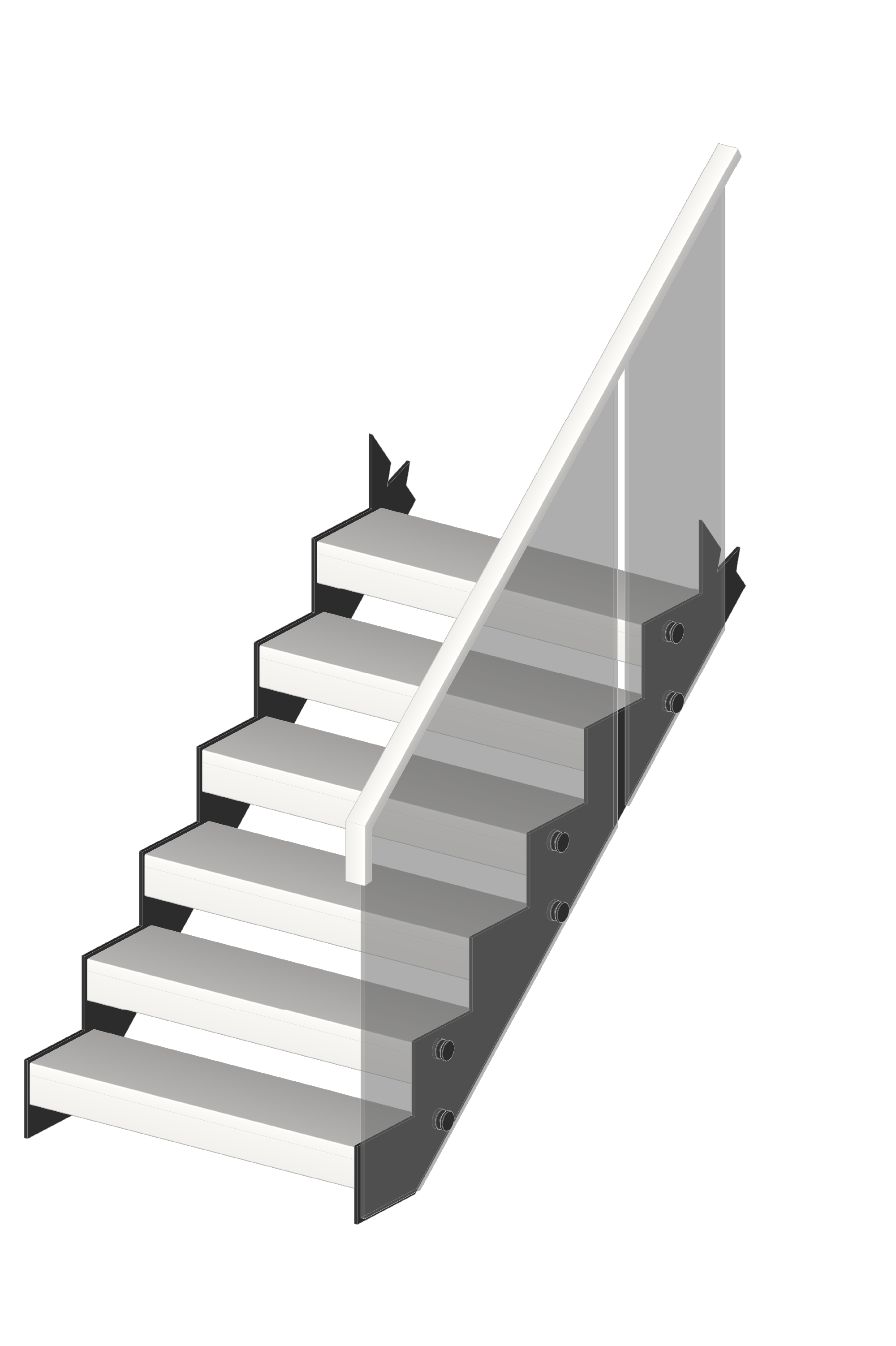
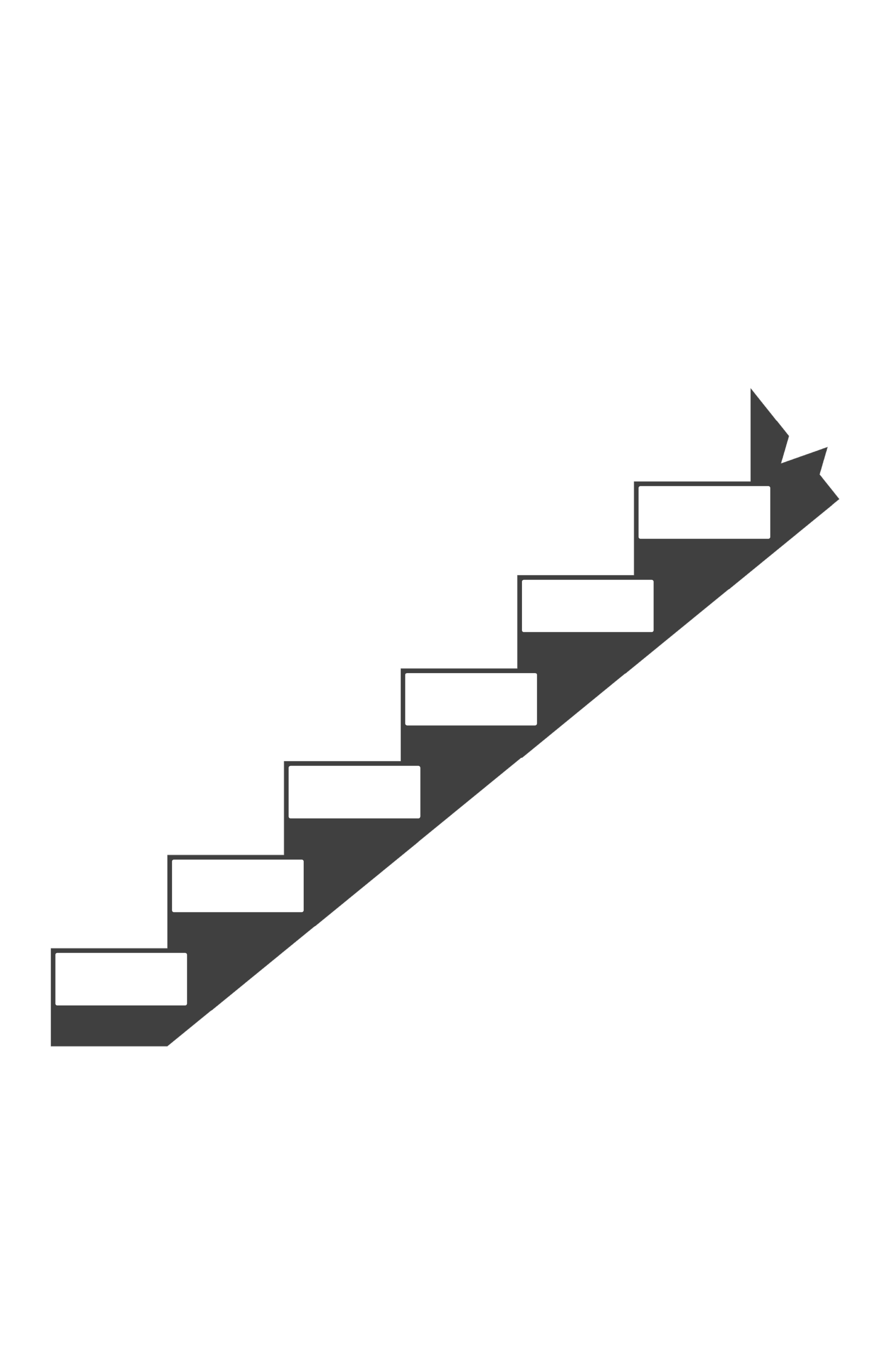
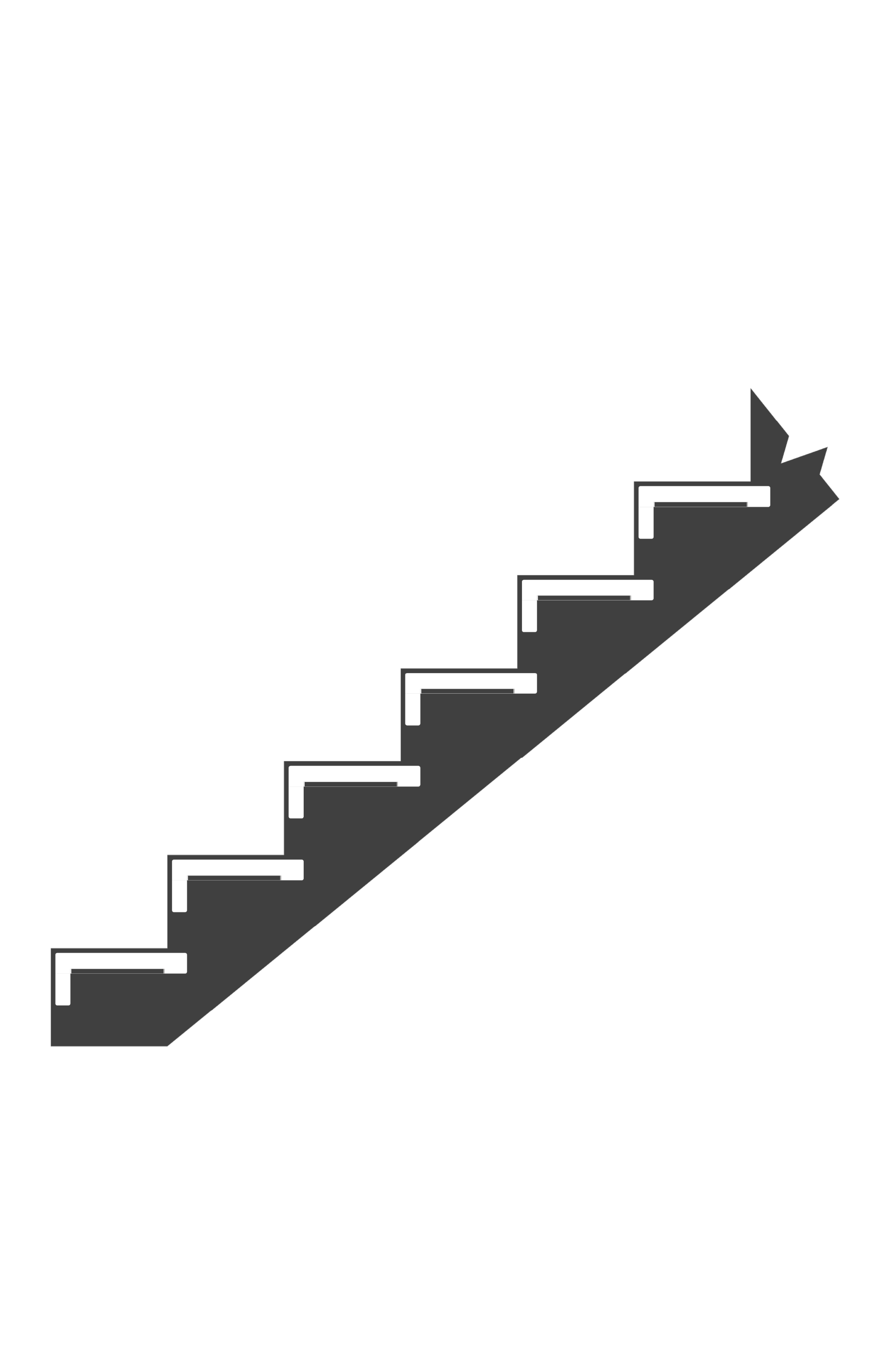
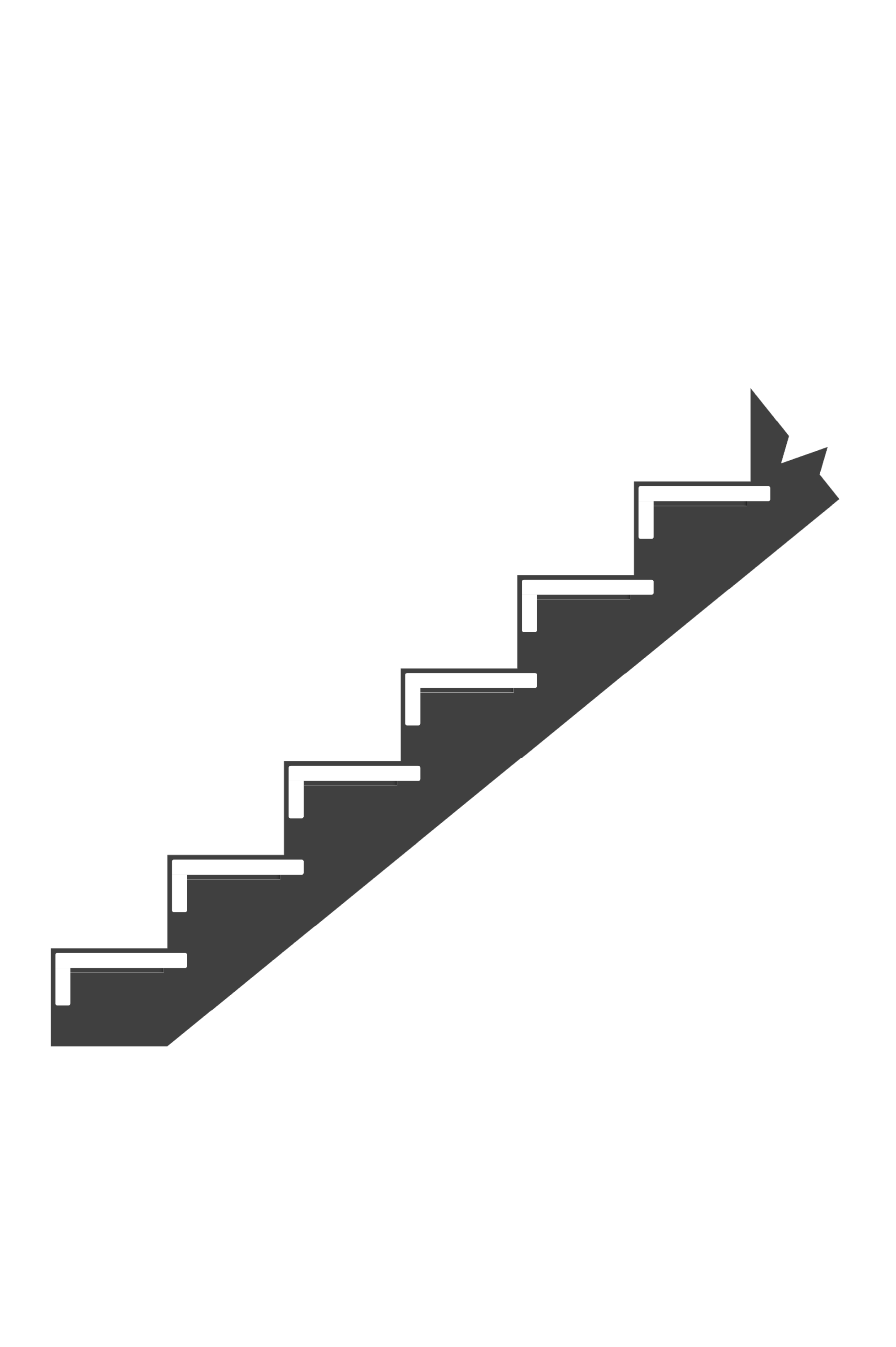
Tread Options
.avif)
.avif)
.avif)
■
Seam
FAQs
What are the regulations for the space between treads on open risers?
Legally, the gap between treads must not exceed 100mm. And the good news is that any of our styles can have open treads!
How does the stair fit to the floor?
All our stringers feature a precision engineered foot plate for a secure connection. We recommend either fixing the staircase directly to the structural slab, or shuttering out a space where the staircase will connect and installing or pouring a concrete pad for it to sit on. The foot plate is designed with countersunk holes for heavy duty concrete screws, along with through-holes for chemical anchors where required. This dual fixing approach ensures a secure, rigid connection to the floor slab.
What style staircase can have open treads?
All of our styles can feature open treads, creating a visually light and elegant look. Open risers work best when there’s an open space or architectural feature behind, allowing light to flow and enhancing the sense of space. If there’s just a wall behind, the effect can feel heavy or dark — in this case, a closed tread design might be better and could also provide the opportunity for clever under-stair storage.
Is it possible to do a zig zag stringer on a winding staircase?
Yes, it’s possible! However, the form of the stringer can appear less uniform on winding treads. For this reason, we generally recommend careful consideration and a chat with your designer to explore the best approach.
Can glass be used on the zig zag stinger, how is this fixed? Can we make the edge of the glass mirror the treads?
Yes, the glass can be precision-cut to follow the exact edge of the treads, creating a clean, architectural line that mirrors the form of the staircase. Each panel is designed to follow the profile of the stair, enhancing the zig zag geometry and maintaining a seamless aesthetic. As this involves bespoke cutting and detailing, there is an additional cost for this option.
What tread thickness options are available?
Tread thickness varies depending on the staircase design: Closed, Zig-Zag, or Sawtooth Stringers – Standard tread thickness is 32mm. However, if you prefer a flush finish with rebated tread tabs, we can provide a 40mm option. Central Spine Staircases – Our oak treads for this design have a substantial 112mm thickness, offering a bold and striking look. If you have specific design preferences, our team can discuss custom options to achieve the perfect aesthetic and structural balance.